Essential Destination Profile: Kumrat Valley
About Kumrat Valley
Tucked away in the rugged mountain folds of Upper Dir in Khyber Pakhtunkhwa, Kumrat Valley is widely revered as Pakistan's premier emerald forest sanctuary. Carved by the crystal-clear glacial waters of the Panjkora River and cloaked in colossal old-growth Himalayan deodar cedar forests (Cedrus deodara) that soar over 100 feet skyward, Kumrat offers an untouched alpine sanctuary. Resting at an average elevation of 2,400 meters (7,874 feet) and ascending toward 3,550 meters at Katora Lake, Kumrat serves as the ultimate base for riverside glamping, misty waterfall discoveries, and high-altitude trekking across the Hindu Raj mountain divide.
Kumrat Valley Destination Intelligence Snapshot
- Geographic Location: Upper Dir District, Khyber Pakhtunkhwa, bordering Swat Valley to the east and Chitral to the north.
- Valley Elevation Range: 2,200m (Thal village entry) to 3,100m (Jahaz Banda Meadows) and 3,550m (Katora Lake tarn).
- Gateway & Commercial Base: Thal Village (home to the historic 150-year-old carved wooden mosque and 4x4 jeep terminus).
- Principal River System: The glacier-fed Panjkora River, flowing straight through the heart of the ancient deodar cedar reserve.
- Access Corridors: Approximately 370 km from Islamabad (8–9 hours) via the high-speed Swat Expressway (M-16), Chakdara, and N-45 highway.
- The Trans-Valley Connector: The seasonal 4x4 Badogai Pass (3,520m) connects Thal directly to Utror and Kalam in Swat Valley from July through October.
- Signature Natural Wonders: Kumrat Deodar Forest Reserve, Kumrat Waterfall, Do Kala Chashma, Jahaz Banda Meadows, and circular Katora Lake.
1. The Emerald Forest Sanctuary & Panjkora River Ecology
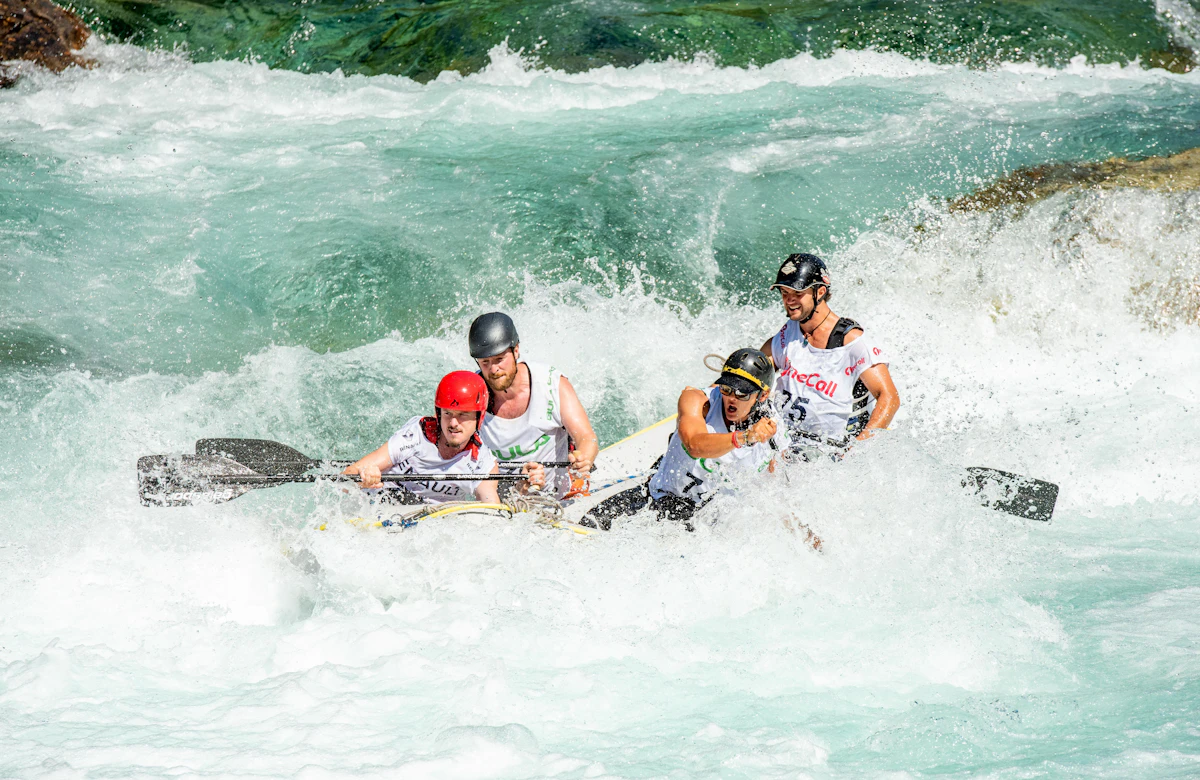
Unlike the arid rock massifs of the Karakoram or the developed hill stations of the Galiyat, Kumrat Valley is celebrated for its lush, primeval greenery. The valley floor is densely forested with ancient Cedrus deodara (Himalayan cedar) trees whose dense, overlapping canopies filter sunlight into emerald shafts of light. The glacier-fed Panjkora River courses straight through the forest, its turquoise rapids creating natural pools and sandy gravel bars ideal for pitching riverside tents and eco-glamping pods.
As you venture deeper past the forest reserve toward Do Kala Chashma and Kala Chashma (The Black Spring), the valley widens into sweeping subalpine meadows bordered by jagged, snow-streaked granite ridges of the Hindu Raj mountain system, where wild mountain herbs, ferns, and alpine wildflowers carpet the riverbanks.
2. Cultural Masterpiece: The 150-Year-Old Thal Wooden Mosque
At the southern entrance of Kumrat Valley lies the historic town of Thal, the cultural and commercial heart of the local Kohistani and Pashtun communities. Thal is world-renowned for its magnificent 19th-century Grand Wooden Mosque, constructed entirely from local deodar cedar wood and river stone without modern steel or concrete.
The interior prayer hall is supported by dozens of massive hand-hewn wooden pillars, each painstakingly carved with intricate floral motifs, geometric relief patterns, and traditional Islamic calligraphy. Two soaring wooden minarets rise above the valley floor, featuring open balustrades overlooking the roaring Panjkora River. A respectful visit to the Thal Mosque offers an unforgettable glimpse into the master craftsmanship and spiritual heritage of northern Khyber Pakhtunkhwa.
3. Top Natural Wonders & Attractions in Kumrat Valley
Kumrat Valley offers an extraordinary concentration of natural sights accessible along the forest jeep tracks:
| Attraction | Elevation & Distance | Key Highlights & Accessibility |
|---|---|---|
| Kumrat Forest Reserve | 2,400m | 12 km from Thal | Ancient towering deodar canopy; tranquil walking paths; riverside glamping & camping pods. Accessible by 4x4. |
| Kumrat Waterfall | 2,450m | 15 km from Thal | A dramatic single-drop waterfall cascading down a sheer granite cliff into a cool mist-draped pool. |
| Do Kala Chashma | 2,600m | 20 km from Thal | Twin natural freshwater springs gushing from mountain bedrock into the Panjkora River. |
| Kala Chashma & Wooden Canal | 2,750m | 24 km from Thal | Scenic terminus of the lower jeep track; traditional wooden irrigation conduits and wildflower meadows. |
| Jahaz Banda Meadows | 3,100m | 3.5–4.5 hr hike from Jaki | Massive high-altitude pasture resembling the deck of a ship ('Jahaz'), dotted with shepherd log cabins. |
| Katora Lake | 3,550m | 3 hr hike from Jahaz Banda | A flawless bowl-shaped glacial tarn encased within sheer rock walls with floating ice floes. |
4. Complete Jahaz Banda & Katora Lake Trekking Blueprint
The trek to Jahaz Banda Meadows and Katora Lake is one of Pakistan's most rewarding alpine journeys:
- Stage 1: Thal to Jaki Roadhead by 4x4 Jeep (1.5 to 2 Hours): Depart Thal early morning in a 4x4 jeep climbing past Upper Thal into the rugged side valley towards Jaki (or Upper Jaki). Sedans cannot travel this track. Jaki marks the end of the road and the trekking trailhead. Porter and riding horse arrangements can be made here.
- Stage 2: Jaki to Jahaz Banda Meadows (3.5 to 4.5 Hours Uphill Hike): The trail climbs approximately 600 meters through cool cedar, pine, and birch groves along a cascading alpine stream. The gradient is steady and moderate. Breaking through the treeline, you emerge into the immense grassy amphitheater of Jahaz Banda (3,100m), surrounded by snow-capped peaks. Overnight accommodation is available in rustic wooden shepherd huts or canvas camping tents.
- Stage 3: Jahaz Banda to Katora Lake (3 Hours Alpine Push): Start at dawn for the 3-hour trek to circular Katora Lake (3,550m / 11,650 ft). The trail crosses boulder fields, alpine meadows, and glacial streams beneath towering rock bastions. As you reach the final crest, the breathtaking amphitheater of Katora Lake appears—its turquoise water cradled in a natural stone bowl with floating summer icebergs.
- Stage 4: Return Descent to Jaki & Thal: After spending an hour photographing Katora Lake, descend back to Jahaz Banda for hot tea and continue downhill to Jaki to meet your waiting 4x4 jeep.
5. The Trans-Valley Circuit: Connecting Kumrat Valley & Swat via Badogai Pass
One of northern Pakistan's most scenic summer overland routes is the Badogai Pass (3,520m) connection between Kumrat Valley and Swat Valley (Kalam):
- Seasonal Window: The rugged mountain jeep track crossing Badogai Pass opens each summer from late June to mid-October once winter snows melt.
- Route Overview: Departing Thal, the road ascends through alpine pastures to the summit of Badogai Pass (3,520m), offering spectacular panoramas across both Upper Dir and the Kohistan peaks of Swat. The trail then descends on the eastern side into Utror and connects directly onto the paved road to Kalam in Swat (approx. 4 to 5 hours total drive).
- Grand 6-Day KPK Circuit Itinerary: Islamabad → Swat Valley (Mingora & Kalam) → Mahodand Lake → cross Badogai Pass by 4x4 → Kumrat Valley (Thal Mosque & deodar forest) → Jahaz Banda & Katora Lake trek → return via Chakdara to Islamabad. This allows travelers to experience both valleys without backtracking.
6. Practical Logistics: Sedans, 4x4 Jeeps, Accommodation & Connectivity
- Vehicle Suitability: Standard family sedans, hatchbacks, and crossovers can drive comfortably on the fully paved road up to Thal village. However, entering the inner Kumrat forest or traveling to the Jaki trekking trailhead requires hiring a high-clearance 4x4 mountain jeep in Thal. Secure paid parking facilities are available in Thal for personal vehicles.
- Accommodation Options: Thal village features comfortable boutique wooden hotels and traditional Pashtun guest houses. Inside Kumrat forest, eco-glamping domes, wooden chalets, and riverside tented campsites provide scenic stays beside the Panjkora River. At Jahaz Banda, stay in basic wooden log cabins or alpine tents.
- Mobile Connectivity: Telenor and Zong provide reliable cellular calling and 4G data coverage in Thal town. Mobile signals disappear in the deep deodar forest past Do Kala Chashma and at Jahaz Banda, allowing for a complete digital detox in nature.
- Environmental Stewardship: Kumrat's ancient deodar forest is an ecologically fragile heritage. Practice Leave No Trace: pack out all plastic waste, use designated campfire pits, and protect the pristine purity of the Panjkora River.
Interested in exploring Kumrat Valley, Katora Lake, and the Swat trans-valley circuit with dedicated private 4x4 transport and verified local mountain guides? Review our Custom Pakistan Tours or explore our Pakistan Trekking Tours.