
Essential Destination Profile: Lake Saif-ul-Malook
About Lake Saif-ul-Malook
Resting high in the upper reaches of Kaghan Valley at an elevation of 3,224 meters (10,578 feet), Lake Saif-ul-Malook is universally celebrated as Pakistan's most iconic alpine glacial lake. Framed by the jagged, snow-capped pyramid of Malika Parbat (5,290 meters / 17,356 feet)—the 'Queen of the Mountains'—whose towering face mirrors across its iridescent turquoise-emerald waters, this glacial wonder has captivated poets, travelers, and dreamers for centuries with its celestial beauty and timeless romance.
Key Destination Snapshot
- Geographic Location: Kaghan Valley, Mansehra District, Khyber Pakhtunkhwa
- Lake Elevation: 3,224 meters (10,578 feet) above sea level
- Base Hub: Naran Town (9 kilometers south)
- Maximum Depth: ~34 meters (113 feet)
- Access: 4x4 Willys Mountain Jeep Track (45 mins) or 8km Hiking Trail (2.5-3 hours)
- Best Visiting Window: June through September (Ice-free waters & blooming alpine flora)
- Key Highlights: Malika Parbat Reflection, Lakeshore Boating, Fairy Legend Folklore, Gateway to Ansoo Lake
1. The Timeless Fairy Tale: Saif-ul-Malook & Badi-ul-Jamal
Beyond its breathtaking physical splendour, the soul of Lake Saif-ul-Malook is intertwined with one of South Asia's most beloved romantic legends. Immortalized in classical Punjabi verse by the renowned 19th-century Sufi poet Mian Muhammad Bakhsh in his magnum opus Safar-ul-Ishq (commonly titled Saif-ul-Malook), the tale recounts the arduous spiritual quest of an Egyptian prince named Saif-ul-Malook.
Drawn by dreams of Badi-ul-Jamal ('Glory of the Fairies'), the fairy princess of Kohistan who bathed in these pristine mountain waters beneath the full moon, the prince journeyed for six years, undergoing deep spiritual trials until he reached the lake. According to regional lore, an angry giant named Deo Safid—who was also in love with the princess—discovered their union and in fury cleaved the surrounding mountains, unleashing a deluge that formed the present-day lake. To this day, local elders narrate that during the 14th night of the lunar month, celestial fairies still descend upon the glassy surface of the lake.
2. Geological Marvel & The Mirror of Malika Parbat
From a geological perspective, Lake Saif-ul-Malook is a classic terminal moraine-dammed glacial cirque, carved out during the late Pleistocene epoch. Meltwater streaming from the receding glaciers of Malika Parbat flows into this natural granite depression, creating an oval body of water spanning approximately 2.75 square kilometers.
The visual centerpiece of any visit is the colossal north face of Malika Parbat (5,290m), the highest mountain peak in Kaghan Valley. On calm mornings before midday mountain breezes disturb the surface, the sharp triangular summit and tumbling hanging glaciers of Malika Parbat are mirrored with astonishing clarity across the deep cobalt-green waters, creating one of the most photographed vistas in the Himalayas.
3. How to Reach Lake Saif-ul-Malook from Naran
The journey from Naran bazaar up to the lake is an exhilarating adventure that can be completed in two distinct ways:
- 4x4 Mountain Jeep Safari (Most Popular): High-clearance 4x4 open-top jeeps operate continuously from the main Naran bazaar. The 9-kilometer unpaved mountain track winds precariously along the steep canyon of the Saif-ul-Malook stream, crossing roaring meltwater waterfalls, narrow rocky ledges, and remnant snow bridges. The ride takes approximately 40 to 50 minutes and offers thrilling viewpoints over Naran Valley below.
- The Scenic Alpine Hike (For Trekkers): Adventurous hikers can opt to hike the 8-kilometer trail from the outskirts of Naran directly to the lake. The trail gains roughly 800 meters of elevation through fragrant blue pine forests, terraced potato patches, and high glacial stream valleys. It takes approximately 2.5 to 3 hours of steady walking and provides a serene, crowd-free immersion into Kaghan's wilderness.
4. Top Things to Do at Lake Saif-ul-Malook
Visitors can enjoy a rich array of activities along the lakeshore and surrounding alpine ridges:
| Activity | Description | Best Time |
|---|---|---|
| Traditional Wooden Boating | Glide across the crystal-clear glacial waters aboard colorful hand-rowed boats to reach the southern end of the lake. | 08:00 AM – 11:00 AM (Calm water) |
| Horseback Riding on the Shore | Local horsemen guide visitors along the eastern shoreline trail towards the mouth of the glacial inlet stream. | Throughout the day |
| Sunrise & Morning Photography | Capture the mirror reflection of Malika Parbat before winds create ripples across the surface. | 06:00 AM – 08:30 AM |
| Trek to Ansoo Lake (4,245m) | Experienced trekkers use Saif-ul-Malook as the launchpad for the grueling 7-hour ascent to the teardrop-shaped Ansoo Lake. | July & August (Early 05:00 AM departure) |
| Lakeside Chai & Trout Fish | Sip steaming cardamom tea or taste freshly grilled Kunhar River trout from rustic seasonal stalls. | Afternoon rest |
5. Seasonal Atmosphere & Lake Melting Timeline
Because Kaghan Valley experiences severe Himalayan winter snowfalls, Lake Saif-ul-Malook transforms dramatically through the seasons:
| Season | Trail & Lake Condition | Day / Night Temperature | Visitor Experience |
|---|---|---|---|
| May to Early June | Jeep track opened with glaciers cut into high snow walls; lake surface partially frozen with floating icebergs | 10°C to 16°C / 0°C to 4°C | Dramatic ice-pack views; chilly winds; jackets mandatory |
| Mid-June to August | Peak tourist season; lake completely thawed with deep emerald waters; wildflowers in full bloom | 16°C to 22°C / 6°C to 10°C | Pleasant sunny weather; ideal for boating and family picnics |
| September to October | Crisp autumn skies; snow returns to surrounding peaks; uncrowded tranquility | 12°C to 18°C / -2°C to 3°C | Razor-sharp photographic clarity; cool breeze; warm layers needed |
| November to April | Under 10 to 15 feet of heavy winter snowpack; lake completely frozen solid; jeep track blocked | Sub-zero / Down to -15°C | Inaccessible to general vehicles; accessible only via technical snow treks |
6. Essential Travel Tips & Eco-Tourism Code
To preserve this sacred natural treasure for future generations, travelers should follow responsible tourism guidelines:
- Leave No Trace: Carry all plastic water bottles, snack wrappers, and packaging back down to Naran. Never toss refuse into the lake or along the mountain streams.
- Sun & Cold Protection: High-altitude UV rays are intense; bring polarized sunglasses, sunblock, a warm fleece or windbreaker, and comfortable sports shoes with good traction.
- Cash Readiness: There are no digital payment terminals or ATMs at the lake. Carry sufficient cash for jeep hire, boat rides, horse rentals, and snacks.
- Morning Starts: Leave Naran by 07:00 AM to enjoy tranquil lake views before midday jeep convoys and tour crowds arrive.
Key Highlights & Geographic Significance
Tours & Treks in Lake Saif-ul-Malook
Handcrafted guided departures, private 4x4 road journeys, and alpine trekking routes exploring Lake Saif-ul-Malook and the wider Khyber Pakhtunkhwa mountain corridor.
 Tour Package 5 Days / 4 Nights
 5-Day Swat, Kalam & Malam Jabba Scenic Tour Package
Discover Pakistan's 'Switzerland of the East' on our signature 5-day private tour. Ride the chairlifts at Malam Jabba ski resort, explore ancient Gandhara Buddhist stupas, and take a 4x4 jeep safari through Ushu Forest to turquoise Mahodand Lake.
 Tour Package 1-Day Day Trips to 3-Day Weekend River Expeditions
 Whitewater Rafting in Pakistan: Glacial Rapids on Kunhar, Indus, Neelum & Swat Rivers
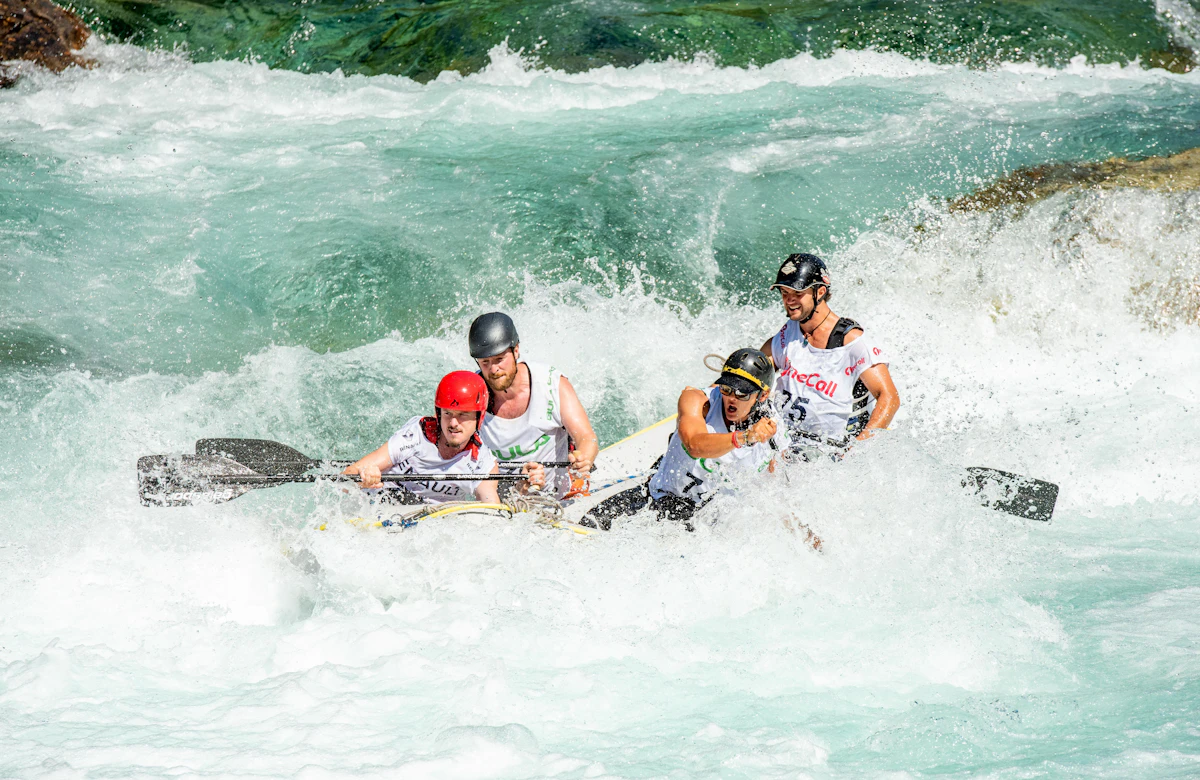
Conquer exhilarating Grade II to IV+ glacial rapids on Pakistan's premier river runs: the foaming Kunhar River in Kaghan, the emerald Swat River, pine-lined Neelum River in Kashmir, and massive big-water gorges of the upper Indus near Skardu.
 Trekking Route 1-Day Strenuous Trek (7 to 9 Hours round-trip)
 Ansoo Lake Trek (Teardrop Alpine Tarn, 4,245m)
Tucked high in the craggy Himalayan ridges of Kaghan Valley near Malika Parbat, Ansoo Lake is Pakistan's legendary teardrop-shaped glacial tarn (4,245m), reached via an exhilarating, challenging day trek from Lake Saif-ul-Malook.
Design a Custom Lake Saif-ul-Malook Itinerary
Have specific dates, private group preferences, or combining multiple valleys across Khyber Pakhtunkhwa? Our mountain logistics desk crafts tailored private 4x4 departures.
- Private 4x4 Toyota Prado / Land Cruiser convoy
- Certified local mountain guides & porters
- Curated heritage lodges & boutique camps
Frequently Asked Questions About Lake Saif-ul-Malook
What is the romantic folklore behind Lake Saif-ul-Malook?
The lake is famous for the timeless fairy tale written by Sufi poet Mian Muhammad Bakhsh. It tells of Prince Saif-ul-Malook of Egypt who fell in love with Badi-ul-Jamal, a fairy princess who frequented the lake. After six years of searching and spiritual devotion, the prince united with her, while the jealous white giant Deo Safid created the rugged mountains and torrents in a fury.
Can I drive my own car or sedan to Lake Saif-ul-Malook?
No. Standard cars, sedans, and low-clearance crossovers cannot navigate the rugged, boulder-strewn 9km dirt track to the lake. Only local high-clearance 4x4 Willys, Potohar, or Land Cruiser jeeps operated by licensed mountain drivers can safely make the journey.
How much does a 4x4 jeep from Naran to Saif-ul-Malook cost?
During the summer tourist season, round-trip jeep hires from Naran bazaar typically range between PKR 4,000 to PKR 7,000 per jeep (seating up to 6-8 passengers), which includes waiting time of 2 to 3 hours at the lake.
What is the best time of day to visit Lake Saif-ul-Malook?
Early morning between 06:30 AM and 09:00 AM is the absolute best time. The water is glassy and mirror-calm, allowing you to photograph the iconic reflection of Malika Parbat without wind ripples, and you avoid the heavy midday tourist crowds.
Can you trek from Lake Saif-ul-Malook to Ansoo Lake?
Yes. The trailhead for Ansoo Lake (4,245m) begins at the southern edge of Lake Saif-ul-Malook. It is a strenuous 7-to-9-hour round-trip high-altitude alpine hike crossing steep scree, glacial streams, and snowfields. It should only be attempted by fit hikers accompanied by an experienced local guide during July and August.
Are there hotels or camping facilities at Lake Saif-ul-Malook?
There are no permanent hotels at the lake in order to preserve the natural environment. However, during summer, local operators set up temporary tent camps with sleeping bags and tea stalls along the perimeter. Most travelers prefer to stay in hotels in Naran and visit the lake as a day trip.