
Essential Destination Profile: Chitral Gol National Park (Markhor & Cedar Sanctuary)
About Chitral Gol National Park (Markhor & Cedar Sanctuary)
Enclosing a dramatic, sheer-walled glacial gorge in the shadow of the colossal Hindu Kush mountains just 10 kilometers west of Chitral town, Chitral Gol National Park is one of Pakistan's most prestigious and ecologically vital wildlife sanctuaries. Spanning 7,750 hectares of rugged terrain, the park was historically preserved as the exclusive private royal hunting reserve of the Mehtars (rulers) of the princely state of Chitral. Declared a National Park in 1984, Chitral Gol is world-famous as the global stronghold of the endangered Flare-horned Markhor (Capra falconeri) - the magnificent national animal of Pakistan. With deep river gorges lined with ancient Himalayan cedar (deodar) and weeping juniper, the historic Birmoghlasht Summer Palace of the royal dynasty perched at 2,800m, and breathtaking panoramas of Tirich Mir (7,708m), Chitral Gol is an extraordinary wilderness destination for eco-tourists, photographers, and nature lovers.
Sanctuary Highlights & Wildlife Wonders
- World Capital of the Flare-Horned Markhor: Observe herds of magnificent wild mountain goats with corkscrew horns climbing sheer granite cliffs, protected by community wildlife watchers.
- Historic Royal Birmoghlasht Summer Palace: Tour the atmospheric mountain palace of the Mehtars perched on a high panoramic ridge overlooking Chitral town and the river valley.
- Front-Row Vistas of Tirich Mir (7,708m): Gaze upon the highest peak in the Hindu Kush range and the highest mountain on earth outside the Himalaya and Karakoram.
- Pristine Himalayan Cedar (Deodar) Forests: Walk through protected ancient deodar and evergreen oak woodlands harboring over 100 species of medicinal plants.
- Apex Predators of the Hindu Kush: Protected sanctuary for the elusive snow leopard, Himalayan brown bear, Tibetan wolf, red fox, and majestic golden eagles.
The Markhor Conservation Success Story
The conservation of the Flare-horned Markhor in Chitral Gol is widely celebrated as one of Asia's greatest wildlife preservation triumphs. In the mid-20th century, uncontrolled poaching had decimated markhor populations across northern Pakistan to near-extinction. Recognizing the crisis, local Chitrali community elders partnered with wildlife authorities and the World Wildlife Fund (WWF) to establish community-based surveillance and protection committees. Today, Chitral Gol National Park supports a thriving, healthy population of over 2,000 Markhors. During the annual winter rut (late November to mid-December), magnificent male markhors with spiralling horns exceeding 5 feet descend from high snow crags to lower valley cliffs, providing visitors with rare, unforgettable wildlife viewing opportunities.
Exploring the Park: From Chitral Town to Birmoghlasht
A journey into Chitral Gol National Park offers an enchanting blend of mountain adventure and royal heritage:
- Stage 1: Chitral Town to Gokhshal Checkpost (8 km / 45 mins): A rugged 4x4 jeep track climbs from the historic Shahi Mosque along the cascading Chitral Gol stream into the narrow granite mouth of the park.
- Stage 2: Gokhshal to Kasavir Wildlife Post (5 km): The road enters the heart of the national park at Kasavir, where dedicated forest observation huts equipped with spotting scopes allow visitors to scan the cliff faces for grazing markhors.
- Stage 3: Birmoghlasht Royal Summer Palace (2,800m): A high ridgeline track ascends through dense oak and deodar groves to the summer palace of the former Mehtars of Chitral. The palace features a scenic promenade offering sweeping views of Tirich Mir and the snow peaks of the Afghan border.
| Park Landmark | Elevation | Distance from Chitral | Key Attraction |
|---|---|---|---|
| Park Entry Gate (Gokhshal) | 1,650m | 5 km from Chitral Bazaar | Visitor registration, permit check, stream gorge |
| Kasavir Observation Post | 2,200m | 12 km via 4x4 track | Prime markhor spotting scopes & ranger huts |
| Birmoghlasht Summer Palace | 2,800m | 15 km from Chitral Town | Historic royal palace & panoramic Tirich Mir views |
| Dukadir High Ridge | 3,500m | Trekking trail from Kasavir | Alpine scree, golden eagle nesting cliffs |
Best Seasons for Wildlife Watching
Chitral Gol National Park offers distinct wildlife viewing seasons:
- Winter Rut (November to December): The absolute best time for wildlife photography. Snow drives markhor herds down to lower cliff ledges right alongside the jeep track, making them easy to spot.
- Spring (April to May): Mild weather, blooming mountain shrubs, and newborn markhor kids leaping across grassy ledges.
- Summer (June to September): Pleasant high-altitude temperatures, ideal for visiting the Birmoghlasht Palace and hiking shaded cedar forest trails.
Visitor Permits & Wildlife Guidelines
Visitors must register at the Khyber Pakhtunkhwa Wildlife Department checkpost at the park entrance and pay a nominal conservation fee. A 4x4 jeep is strictly required for the steep unpaved mountain track. Bringing binoculars or telephoto camera lenses (300mm to 600mm) is strongly recommended for markhor viewing. Visitors are strictly prohibited from shouting, throwing stones, or littering in the park.
Key Highlights & Geographic Significance
Tours & Treks in Chitral Gol National Park (Markhor & Cedar Sanctuary)
Handcrafted guided departures, private 4x4 road journeys, and alpine trekking routes exploring Chitral Gol National Park (Markhor & Cedar Sanctuary) and the wider Khyber Pakhtunkhwa mountain corridor.
 Tour Package 5 Days / 4 Nights
 5-Day Swat, Kalam & Malam Jabba Scenic Tour Package
Discover Pakistan's 'Switzerland of the East' on our signature 5-day private tour. Ride the chairlifts at Malam Jabba ski resort, explore ancient Gandhara Buddhist stupas, and take a 4x4 jeep safari through Ushu Forest to turquoise Mahodand Lake.
 Tour Package 1-Day Day Trips to 3-Day Weekend River Expeditions
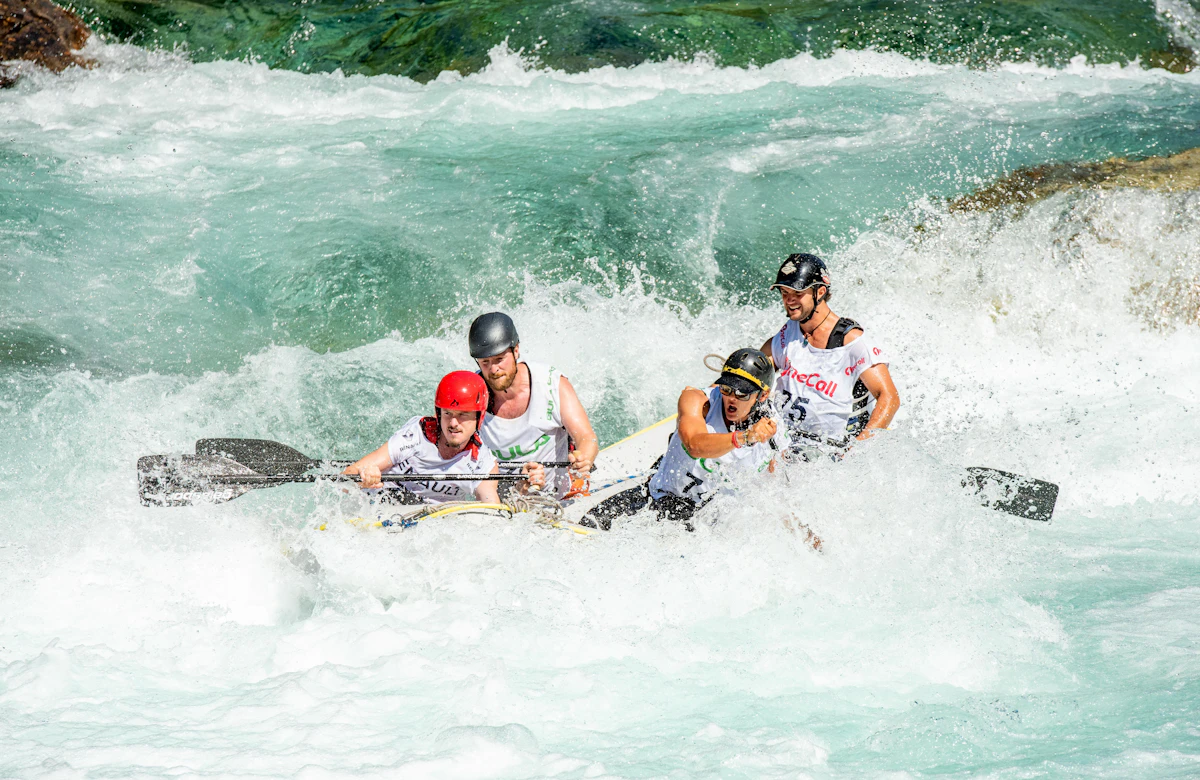
 Whitewater Rafting in Pakistan: Glacial Rapids on Kunhar, Indus, Neelum & Swat Rivers
Conquer exhilarating Grade II to IV+ glacial rapids on Pakistan's premier river runs: the foaming Kunhar River in Kaghan, the emerald Swat River, pine-lined Neelum River in Kashmir, and massive big-water gorges of the upper Indus near Skardu.
 Trekking Route 1-Day Strenuous Trek (7 to 9 Hours round-trip)
 Ansoo Lake Trek (Teardrop Alpine Tarn, 4,245m)
Tucked high in the craggy Himalayan ridges of Kaghan Valley near Malika Parbat, Ansoo Lake is Pakistan's legendary teardrop-shaped glacial tarn (4,245m), reached via an exhilarating, challenging day trek from Lake Saif-ul-Malook.
Trekking Route 2 to 3 Days Wilderness Trek Dagri Bangla Deep Forest Wilderness Trek (2,720m): The Great Galiyat Pine Traverse
Trek deep into the mystical temperate rainforests of Ayubia National Park to Dagri Bangla (2,720m), a historic 1927 British colonial forest lodge surrounded by centuries-old blue pines, leopard sanctuaries, and complete alpine seclusion.
Design a Custom Chitral Gol National Park (Markhor & Cedar Sanctuary) Itinerary
Have specific dates, private group preferences, or combining multiple valleys across Khyber Pakhtunkhwa? Our mountain logistics desk crafts tailored private 4x4 departures.
- Private 4x4 Toyota Prado / Land Cruiser convoy
- Certified local mountain guides & porters
- Curated heritage lodges & boutique camps
Frequently Asked Questions About Chitral Gol National Park (Markhor & Cedar Sanctuary)
What is the best time of year to see Markhors in Chitral Gol National Park?
The peak time to see Markhors is during the winter rut between late November and mid-December, when cold temperatures and snow on high ridges force herds down to lower cliff faces near the jeep track. Early spring (March to April) is also an excellent viewing period.
Can normal cars drive inside Chitral Gol National Park?
No. The 10-kilometer road leading into the park and ascending to Birmoghlasht is a steep, unpaved mountain dirt track that strictly requires a high-clearance 4x4 jeep. Jeeps can easily be hired in Chitral town.
Do tourists need a special permit to visit the park?
Visitors do not need an advance government NOC, but must register their CNIC or passport and purchase a standard entry permit at the Wildlife Department checkpost at the park entrance gate.
Which mountain peak is visible from Birmoghlasht Palace?
Birmoghlasht offers magnificent unobstructed views of Tirich Mir (7,708m / 25,289 ft), the highest mountain in the Hindu Kush range and the tallest peak in the world outside the Himalaya and Karakoram.
How long does a typical visit to the national park take?
A standard wildlife safari takes about 3 to 4 hours round-trip from Chitral town, including the jeep drive, wildlife spotting with binoculars at Kasavir, and touring the Birmoghlasht Palace.
Are binoculars or spotting scopes available for visitors?
Park rangers at the Kasavir wildlife post often have stationary spotting scopes set up to help visitors spot markhors on the cliffs. However, carrying your own high-magnification binoculars or telephoto camera lens is strongly recommended.