


Overview & Route Narrative
Scale Rakaposhi (7,788m / Mother of Mists) in the Karakoram—conquer the world's steepest unbroken vertical elevation rise via the classic Southwest Spur from Minapin in Nagar Valley.
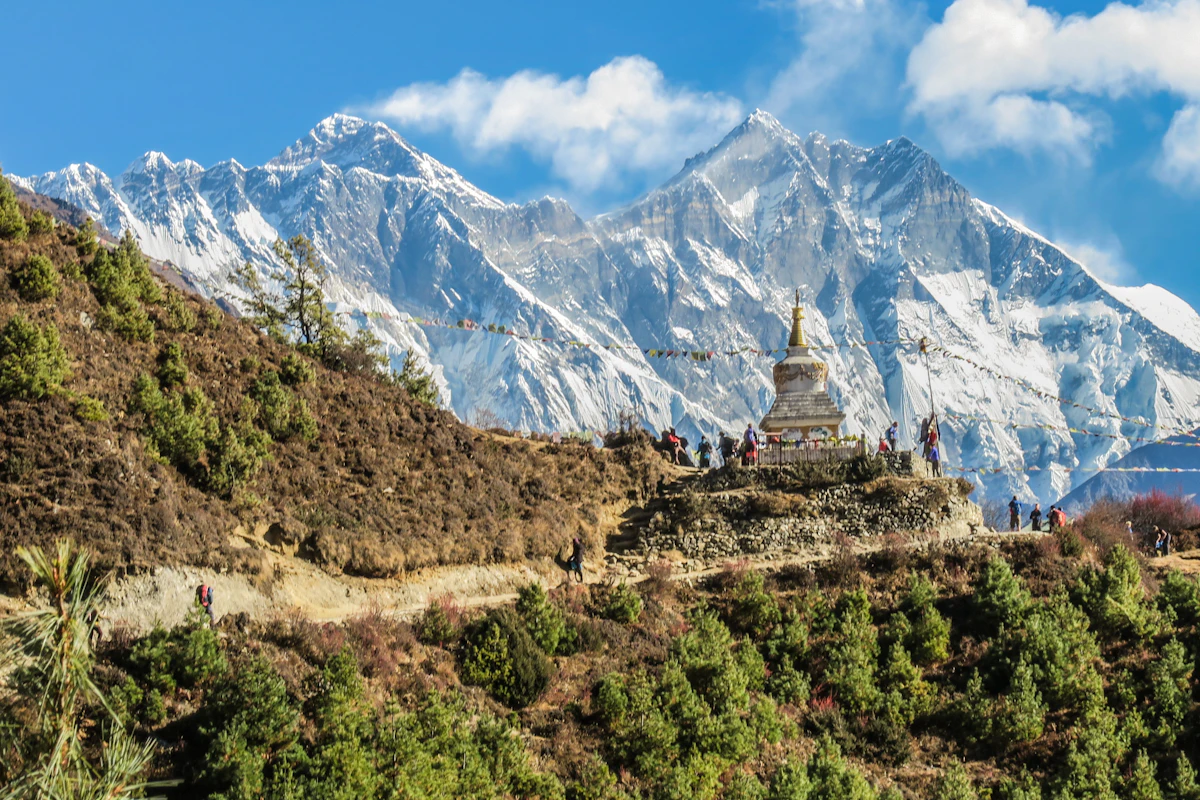
Rakaposhi (7,788 metres / 25,551 ft), revered locally as Dumani ("Mother of Mists") in Burushaski and Shina, is one of the most majestic, colossal, and awe-inspiring mountain massifs on Planet Earth. Situated in the Rakaposhi-Haramosh sub-range of the Karakoram in Gilgit-Baltistan, Rakaposhi commands world fame for possessing the single highest unbroken vertical face rise anywhere in the world. From the deep gorge of the Hunza River near Chalt and Danyor (approx. 1,900m), Rakaposhi surges skyward to its snow-crowned summit at 7,788m in an astonishing 5,900-metre vertical escalation across just 11 horizontal kilometres—far exceeding even the south face of Everest or the Rupal Face of Nanga Parbat in uninterrupted base-to-summit relief. First climbed in 1958 by a British-Pakistani expedition led by Mike Banks and Tom Patey via the classic Southwest Spur (Monk's Head), Rakaposhi represents an elite mountaineering achievement blending sheer alpine scale with breathtaking Karakoram beauty.
Rakaposhi Expedition Technical Parameters & Overview
- Standard Climbing Route: Southwest Spur via the Monk's Head, approached from Minapin village in Nagar Valley.
- Camp Staging Structure: Base Camp Tagaphari (3,660m), Advanced Base Camp (4,400m), Camp 1 (5,200m / Monk's Head foot), Camp 2 (6,100m on crest), Camp 3 (6,850m upper plateau), Summit (7,788m).
- World Record Vertical Relief: Rises almost 6,000 metres without interruption from the Hunza River canyon, creating an unparalleled high-altitude amphitheater.
- Technical Monk's Head Crux: Steep mixed ice, hard firn, and granite rock gendarmes between Camp 1 and Camp 2 requiring fixed ropes and expert alpine technique.
- Convenient Nagar Roadhead Access: Driven directly via the paved Karakoram Highway to Minapin village, followed by an easy 2-day trek to Tagaphari Base Camp.
- Optimal Expedition Duration: Demands 35 to 40 days total expedition duration for thorough acclimatization, rope-fixing, and weather window alignment.
The expedition begins from the idyllic orchard village of Minapin in Nagar Valley. Climbers trek along the lateral moraine of the Minapin Glacier, establishing Tagaphari Base Camp (3,660m) amidst emerald meadows fed by glacial springs. Moving above ABC, the route ascends the Minapin Glacier icefall toward the notorious Monk's Head, a sheer ice-and-rock gendarme guarding the crest of the Southwest Spur. Beyond the Monk's Head, the broad snow ridge leads toward the high summit plateau, where high winds and severe cold require seasoned endurance.
| Camp / Stage | Elevation | Terrain & Technical Difficulty | Average Climbing Time | Primary Safety Guidelines |
|---|---|---|---|---|
| Tagaphari Base Camp | 3,660m | Grassy alpine pastures beside Minapin Glacier | 2 days trek from Minapin village | Idyllic green basecamp; fresh meltwater springs |
| Advanced Base Camp (ABC) | 4,400m | Glacial moraine and snowfield terrace | 3 to 4 hours from Base Camp | Scout crevasse crossings and rockfall chutes |
| Camp 1 (Monk's Foot) | 5,200m | Steep snow couloir and lower icefall | 4 to 6 hours from ABC | Fixed safety ropes required on steep ice slopes |
| Camp 2 (The Ridge) | 6,100m | Mixed 50-degree ice and rock (Monk's Head) | 5 to 7 hours from Camp 1 | Technical crux; exposed ridge climbing; high winds |
| Camp 3 (High Plateau) | 6,850m | Broad, high-altitude snow crest | 5 to 6 hours from Camp 2 | Severe wind exposure; sub-zero frostbite hazard |
| Rakaposhi Summit | 7,788m | 35-degree summit snow dome | 8 to 11 hours round-trip from C3 | Exhausting high-altitude plod; magnificent 360° panorama |
38-Day Comprehensive Rakaposhi Expedition Itinerary
This meticulously structured thirty-eight-day itinerary outlines the approach, logistics, acclimatization rotations, and summit assault on Rakaposhi:
- Days 1–3: Islamabad Briefing & Drive/Flight to Gilgit: Attend official climbing briefings at the Alpine Club of Pakistan in Islamabad. Fly to Gilgit Airport (or drive via the Karakoram Highway through the Indus Gorge), purchasing basecamp rations and organizing expedition equipment.
- Days 4–6: Drive to Minapin Village & Trek to Tagaphari Base Camp: Drive along the KKH past the Rakaposhi Viewpoint to Minapin village (2,000m) in Nagar. Trek through fragrant juniper woodlands and moraine trails past Hapakun pasture to establish Tagaphari Base Camp (3,660m) facing the colossal north face of Rakaposhi.
- Days 7–11: Base Camp Setup, Puja & ABC Establishment: Establish kitchen, dining, and sleeping tents. Conduct the traditional mountain blessing ceremony with local Nagar mountain staff. Carry loads and establish Advanced Base Camp (4,400m) on the lateral terrace of the Minapin Glacier.
- Days 12–20: Acclimatization Rotations & Monk's Head Route Fixing: Advance across the crevassed glacier to establish Camp 1 (5,200m). Elite climbing Sherpas and high-altitude guides fix ropes over the steep 50-degree ice and mixed rock pitches of the Monk's Head to establish Camp 2 (6,100m) on the crest of the Southwest Spur. Climbers spend nights at Camp 1 and Camp 2 for acclimatization before descending to Base Camp.
- Days 21–27: Push to Camp 3 & Final Acclimatization Rest: Advance through Camp 1 and Camp 2 to establish Camp 3 (6,850m) on the broad upper snow ridge. Sleep overnight at Camp 3 to solidify high-altitude lung capacity, then descend to Tagaphari Base Camp for 3 to 4 days of nutrition, hydration, and weather window tracking.
- Days 28–34: Weather Window Monitoring & Summit Assault: When a stable multi-day high-pressure system is confirmed, ascend progressively through ABC, Camp 2, and Camp 3. Launching from Camp 3 at midnight, climb the long, exposed summit ridge in sub-zero temperatures, surmounting the final snow dome to stand atop Rakaposhi (7,788m). Enjoy panoramic vistas of K2, Nanga Parbat, Diran, and the Hunza Valley before descending carefully to Camp 2 and Base Camp.
- Days 35–38: Camp Disassembly, Return to Gilgit & Islamabad Debriefing: Clean and pack Tagaphari Base Camp, ensuring complete environmental leave-no-trace compliance. Trek down to Minapin, transfer to Gilgit, fly to Islamabad, and attend the formal expedition debriefing at the Alpine Club of Pakistan.
Climbing Rakaposhi is a transcendent mountaineering milestone—an epic encounter with the ultimate vertical monarch of the Karakoram, delivering unmatched prestige, staggering vistas, and pure alpine triumph.
Transparent Pricing Plan
Our pricing plan for Rakaposhi Expedition (7,788m): Southwest Spur Climb in Nagar Valley (35 to 40 Days) includes verified transport, campsite staging, full chef-prepared meals, and expert mountain guiding with zero hidden logistical fees.
| Group Size / Traveling Party | Rate per Person (USD) | Logistics & Package Tier |
|---|---|---|
| 1 - 2 Travelers (Private) | $4,850 / person | Full Private Concierge |
| 3 - 5 Travelers (Small Group) | $4,123 / person | Save $727 / pax |
| 6 - 9 Travelers (Family / Friends) | $3,492 / person | Save $1,358 / pax |
| 10+ Travelers (Private Group Charter) | $3,007 / person | Best Value Guaranteed |
Key Sights & Experiences
Conquer Rakaposhi (7,788m / Mother of Mists), towering with the world's greatest unbroken vertical face rise (5,900m)
Climb the legendary Southwest Spur via the technical Monk's Head ice and rock ridge first mastered in 1958
Basecamp in idyllic Tagaphari (3,660m) meadows directly beneath colossal hanging icefalls and sheer granite towers
Trek through the rich culture, terraced orchards, and warm hospitality of Minapin village in Nagar Valley
Enjoy breathtaking 360-degree Karakoram summit panoramas encompassing K2, Nanga Parbat, Diran, and the Hunza Valley
Detailed Trip Itinerary
Each stage has been carefully paced for altitude safety, acclimatization, scenic exploration, and comfortable wilderness camps or premium hotels.
Base Camp Tagaphari (3,660m), Advanced Base Camp (4,400m), Camp 1 (5,200m / Monk's Head foot), Camp 2 (6,100m on crest), Camp 3 (6,850m upper plateau), Summit (7,788m).
Attend official climbing briefings at the Alpine Club of Pakistan in Islamabad. Fly to Gilgit Airport (or drive via the Karakoram Highway through the Indus Gorge), purchasing basecamp rations and organizing expedition equipment.
Drive along the KKH past the Rakaposhi Viewpoint to Minapin village (2,000m) in Nagar. Trek through fragrant juniper woodlands and moraine trails past Hapakun pasture to establish Tagaphari Base Camp (3,660m) facing the colossal north face of Rakaposhi.
Establish kitchen, dining, and sleeping tents. Conduct the traditional mountain blessing ceremony with local Nagar mountain staff. Carry loads and establish Advanced Base Camp (4,400m) on the lateral terrace of the Minapin Glacier.
Advance through Camp 1 and Camp 2 to establish Camp 3 (6,850m) on the broad upper snow ridge. Sleep overnight at Camp 3 to solidify high-altitude lung capacity, then descend to Tagaphari Base Camp for 3 to 4 days of nutrition, hydration, and weather window tracking.
When a stable multi-day high-pressure system is confirmed, ascend progressively through ABC, Camp 2, and Camp 3. Launching from Camp 3 at midnight, climb the long, exposed summit ridge in sub-zero temperatures, surmounting the final snow dome to stand atop Rakaposhi (7,788m). Enjoy panoramic vistas of K2, Nanga Parbat, Diran, and the Hunza Valley before descending carefully to Camp 2 and Base Camp.
Clean and pack Tagaphari Base Camp, ensuring complete environmental leave-no-trace compliance. Trek down to Minapin, transfer to Gilgit, fly to Islamabad, and attend the formal expedition debriefing at the Alpine Club of Pakistan.
What's Included in the Tour Cost
- Licensed government mountain guide, cook, and professional field crew
- All domestic mountain flights (Islamabad-Skardu/Gilgit) or private 4x4 AC Prado/Coaster
- Deluxe hotel accommodations & alpine twin-sharing four-season camping tents
- All meals on trail (Hot breakfast, packed/warm lunches, multi-course nutritious dinners)
- Full camping logistics: Mess tent, dining tables, stools, kitchen tent & private toilet tents
- Porterage allowance of personal duffel bags (up to 15kg - 20kg per traveler)
- All national park conservation fees, bridge tolls, and official wilderness trek permits
- Emergency wilderness first aid medical kit & satellite SOS tracking communications
What's Not Included
- International round-trip flights to and from Islamabad International Airport (ISB)
- Pakistan single-entry or multiple-entry tourist visa application fees
- Mandatory travel, medical emergency, and high-altitude helicopter rescue insurance
- Personal climbing or trekking equipment (down jacket, sleeping bag, trekking poles)
- Discretionary tips & gratuities for mountain guides, camp cooks, and porter team
- Personal laundry, beverages, minibar, and personal satellite phone call charges
Gear, Packing & Mountain Safety
High mountain travel in Pakistan is an unforgettable adventure when properly prepared. We equip every expedition with certified local guides, comprehensive wilderness first-aid kits, and satellite SOS communicators.
Acclimatization & Hydration
Follow the golden mountain rule: climb high, sleep low. Maintain daily hydration of 3 to 4 liters of clean water and communicate any symptoms of AMS with your guide immediately.
Essential Mountain Layering
Pack in three layers: moisture-wicking base merino, insulating fleece/down mid-layer, and a 100% waterproof/windproof Gore-Tex outer shell. Sturdy broken-in hiking boots are essential.
Permits & Leave No Trace
All official DTS security clearances and National Park wilderness permits are handled by our office. We adhere strictly to Leave No Trace principles—carrying out all camp waste.
Frequently Asked Questions
Why is Rakaposhi famous in global mountaineering?
Rakaposhi is world-famous because it features the steepest unbroken vertical rise on Earth. The summit rises nearly 5,900 metres (19,350 feet) directly above the Hunza River canyon within a distance of only 11 kilometres, presenting an awe-inspiring mountain wall that dwarfs even the highest peaks of the Himalayas.
What is the standard route on Rakaposhi and what are its main technical challenges?
The classic and most frequently climbed route is the Southwest Spur (Monk's Head route). The primary crux is the Monk's Head section between 5,200m and 6,100m, which features steep 50-degree hard ice, narrow mixed rock ridges, and exposure to high winds. Fixed ropes are essential for safety across these technical pitches.
Do climbers use supplemental oxygen on Rakaposhi?
While Rakaposhi (7,788m) approaches 8,000 metres, many commercial and alpine-style expeditions choose to climb without supplemental oxygen by following an extended acclimatization schedule. However, having emergency oxygen bottles at Camp 3 and for the summit push is strongly recommended for safety.
How long does the approach trek to Rakaposhi Base Camp take?
The approach trek to Tagaphari Base Camp is remarkably short and accessible compared to other Karakoram expeditions. After driving along the Karakoram Highway to Minapin village in Nagar, it takes only 1.5 to 2 days of pleasant trekking through pine and juniper woods to reach Base Camp (3,660m).
What is the best month to attempt Rakaposhi?
The prime climbing season is July and August. During mid-summer, high-altitude jet stream winds diminish, snow conditions on the upper ridge stabilize, and temperatures on the mountain are comparatively manageable (-10°C to -25°C at high camps).
What permits and government regulations apply to Rakaposhi?
Expeditions must obtain an official mountaineering permit from the Alpine Club of Pakistan and the Ministry of Tourism, pay the prescribed peak royalty fees, place an environmental waste bond, secure helicopter rescue insurance, and travel with a government-assigned Liaison Officer.
Inquire / Book Rakaposhi Expedition (7,788m): Southwest Spur Climb in Nagar Valley
Complete the form below to receive detailed departure dates, tailored vehicle/porter logistics, and an all-inclusive custom quote within 24 hours.
