
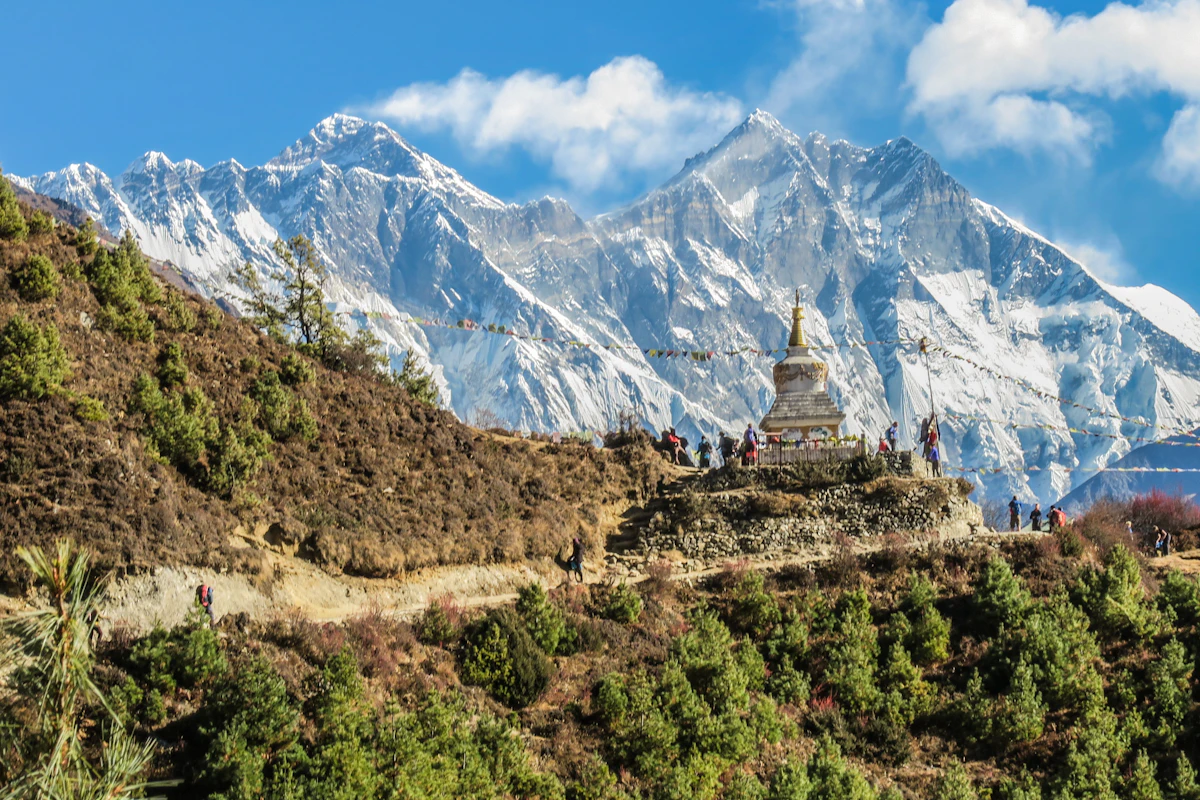


Overview & Route Narrative
Tackle the formidable Nanga Parbat Expedition (8,126m) in the Western Himalayas—scaling the 'Killer Mountain' via the classic Kinshofer Route across the Diamir Face and the 6,000m Kinshofer Wall.
Nanga Parbat (8,126 metres / 26,660 ft), the monumental western anchor of the Great Himalaya range in northern Pakistan, is universally revered and feared in mountaineering history as the Killer Mountain (Diamir, or 'King of the Mountains'). Rising in solitary, colossal isolation directly from the deep desert gorge of the Indus River, Nanga Parbat displays the greatest sheer vertical mountain relief on the planet—its southern flank, the Rupal Face, drops an unfathomable 4,500 vertical metres in a single wall of rock and ice, while its western amphitheatre, the Diamir Face, serves as the standard climbing arena via the classic Kinshofer Route. Immortalized by Hermann Buhl's legendary solo first ascent in 1953 without supplemental oxygen, Nanga Parbat is an uncompromising mountaineering test demanding technical rock climbing, rapid avalanche avoidance, and immense alpine endurance.
Nanga Parbat Technical Parameters & Route Logistics
- Standard Climbing Route: The Kinshofer Route on the Diamir Face, first established by Toni Kinshofer, Anderl Mannhardt, and Toni Messner in 1962.
- Camp Staging Structure: Diamir Base Camp (4,200m), Camp 1 (4,850m), Camp 2 (6,100m / above Kinshofer Wall), Camp 3 (6,700m), Camp 4 (7,400m / Bazhin Basin), Summit (8,126m).
- The Kinshofer Wall Crux: An 80-metre vertical granite-and-ice rock headwall at 6,000m altitude requiring technical fixed-rope climbing on mixed terrain before reaching Camp 2.
- Rapid Approach Access: Unlike the 7-day Baltoro trek for K2, Diamir Base Camp is reached in just two days of hiking from the Karakoram Highway via Chilas and Bunar Das.
- Avalanche Dynamics: The Diamir Face is prone to severe serac falls and powder-snow avalanches; climbers must execute ascents in early morning hours before sunlight destabilizes the slopes.
- Permits & Alpine Regulation: Regulated by the Alpine Club of Pakistan and Ministry of Tourism, requiring official climbing permits, government liaison officers, and environmental management deposits.
The beauty of Nanga Parbat lies in its staggering ecological contrast: within a horizontal distance of twenty kilometres, the landscape transitions from the arid, sun-baked dunes of the Indus valley floor through fragrant birch and pine forests up to an ice-swept 8,126-metre apex. Expeditions stage from the idyllic alpine pasture of Diamir Base Camp, listening to the roar of ice avalanches tumbling harmlessly into distant glacial gullies while preparing for technical high-altitude carries.
| Camp / Milestone | Elevation | Terrain & Technical Difficulty | Average Climbing Time | Primary Hazard Profile |
|---|---|---|---|---|
| Diamir Base Camp | 4,200m | Grassy alpine meadow and lateral moraine | 2 days trek from Bunar Das | Safe basecamp sanctuary; fresh water spring |
| Camp 1 | 4,850m | Glacial moraine and snow ramp | 3 to 4 hours from Base Camp | Crevasses and occasional rockfall from buttresses |
| Camp 2 (Kinshofer Wall) | 6,100m | 80m near-vertical rock face (Grade IV / 5.7) | 6 to 8 hours from Camp 1 | Extreme exposure, technical rock climbing, icefall |
| Camp 3 | 6,700m | Steep 45-degree snow and ice couloir | 5 to 7 hours from Camp 2 | Wind exposure, serac hazards, cold exhaustion |
| Camp 4 (Bazhin Basin) | 7,400m | High snow plateau beneath the summit headwall | 4 to 6 hours from Camp 3 | Hypoxia in Death Zone, severe freezing winds |
| Summit (Trapezoid Crest) | 8,126m | Rocky couloir, summit ridge, and snow cornice | 12 to 16 hours round-trip from C4 | Extreme altitude sickness, physical exhaustion, frostbite |
50-Day Comprehensive Nanga Parbat Expedition Itinerary
This structured fifty-day schedule details the preparation, rotations, and summit assault on Nanga Parbat:
- Days 1–5: Islamabad Briefing & Drive to Chilas: Arrive in Islamabad for official mountaineering briefings with the Alpine Club of Pakistan. Drive north along the Karakoram Highway via Hazara Motorway and Babusar Pass to Chilas, resting along the banks of the Indus River.
- Days 6–8: 4x4 Jeep Safari to Bunar Das & Trek to Diamir Base Camp: Drive by 4x4 mountain jeep from Chilas into the Bunar valley to the roadhead at Halala / Bunar Das. Trek two days through pine groves and pastoral shepherd settlements to establish Diamir Base Camp (4,200m) in an idyllic meadow facing the towering face.
- Days 9–16: Base Camp Setup, Acclimatization & Establishing Camp 1: Set up communication domes, solar generators, and dining tents. Conduct the traditional prayer ceremony. Begin load carries up the lower moraine slopes to establish and supply Camp 1 (4,850m).
- Days 17–28: Conquering the Kinshofer Wall & Establishing Camp 2 and 3: Elite climbing Sherpas and high-altitude porters fix ropes across the formidable 80-metre vertical Kinshofer Wall. Climbers scale the wall to establish Camp 2 (6,100m) and push onward across steep snow slopes to establish Camp 3 (6,700m), completing vital acclimatization sleep cycles before descending to Base Camp.
- Days 29–42: Weather Monitoring & The Summit Window Assault: Wait for a clear, low-wind weather window. When conditions align, the summit team ascends from Base Camp to Camp 2, then Camp 3, and reaches Camp 4 in the Bazhin Basin (7,400m). At 1:00 AM, climbers launch the final summit push through the rocky couloir to conquer the 8,126m summit, followed by a careful, focused descent to Camp 4 and Base Camp.
- Days 43–50: Environmental Cleanup, Return Trek & Islamabad Debriefing: Clear all high camps and pack down Base Camp adhering strictly to Alpine Club environmental guidelines. Trek down to Bunar Das, drive via the KKH to Islamabad, attend the official debriefing ceremony, and prepare for international departures.
Standing atop Nanga Parbat is an immortal mountaineering achievement—a profound victory of skill, endurance, and reverence on the legendary King of the Mountains.
Transparent Pricing Plan
Our pricing plan for Nanga Parbat Expedition (8,126m): The Killer Mountain Kinshofer Route (45 to 55 Days) includes verified transport, campsite staging, full chef-prepared meals, and expert mountain guiding with zero hidden logistical fees.
| Group Size / Traveling Party | Rate per Person (USD) | Logistics & Package Tier |
|---|---|---|
| 1 - 2 Travelers (Private) | $4,850 / person | Full Private Concierge |
| 3 - 5 Travelers (Small Group) | $4,123 / person | Save $727 / pax |
| 6 - 9 Travelers (Family / Friends) | $3,492 / person | Save $1,358 / pax |
| 10+ Travelers (Private Group Charter) | $3,007 / person | Best Value Guaranteed |
Key Sights & Experiences
Conquer the legendary 'Killer Mountain', Nanga Parbat (8,126m), the ninth-highest and most awe-inspiring peak in the world
Scale the technical crux of the Kinshofer Wall, an 80m near-vertical granite headwall at 6,000m on the Diamir Face
Experience the fastest mountain approach in Pakistan, reaching Base Camp in just two days of trekking from the Karakoram Highway
Gaze in awe at the sheer vertical relief of Nanga Parbat, rising over 7,000 vertical metres directly from the Indus River gorge
Climb under expert logistical support with veteran high-altitude staff, fixed ropes, and comprehensive mountain safety systems
Detailed Trip Itinerary
Each stage has been carefully paced for altitude safety, acclimatization, scenic exploration, and comfortable wilderness camps or premium hotels.
Diamir Base Camp (4,200m), Camp 1 (4,850m), Camp 2 (6,100m / above Kinshofer Wall), Camp 3 (6,700m), Camp 4 (7,400m / Bazhin Basin), Summit (8,126m).
Arrive in Islamabad for official mountaineering briefings with the Alpine Club of Pakistan. Drive north along the Karakoram Highway via Hazara Motorway and Babusar Pass to Chilas, resting along the banks of the Indus River.
Drive by 4x4 mountain jeep from Chilas into the Bunar valley to the roadhead at Halala / Bunar Das. Trek two days through pine groves and pastoral shepherd settlements to establish Diamir Base Camp (4,200m) in an idyllic meadow facing the towering face.
Set up communication domes, solar generators, and dining tents. Conduct the traditional prayer ceremony. Begin load carries up the lower moraine slopes to establish and supply Camp 1 (4,850m).
Elite climbing Sherpas and high-altitude porters fix ropes across the formidable 80-metre vertical Kinshofer Wall. Climbers scale the wall to establish Camp 2 (6,100m) and push onward across steep snow slopes to establish Camp 3 (6,700m), completing vital acclimatization sleep cycles before descending to Base Camp.
Wait for a clear, low-wind weather window. When conditions align, the summit team ascends from Base Camp to Camp 2, then Camp 3, and reaches Camp 4 in the Bazhin Basin (7,400m). At 1:00 AM, climbers launch the final summit push through the rocky couloir to conquer the 8,126m summit, followed by a careful, focused descent to Camp 4 and Base Camp.
What's Included in the Tour Cost
- Licensed government mountain guide, cook, and professional field crew
- All domestic mountain flights (Islamabad-Skardu/Gilgit) or private 4x4 AC Prado/Coaster
- Deluxe hotel accommodations & alpine twin-sharing four-season camping tents
- All meals on trail (Hot breakfast, packed/warm lunches, multi-course nutritious dinners)
- Full camping logistics: Mess tent, dining tables, stools, kitchen tent & private toilet tents
- Porterage allowance of personal duffel bags (up to 15kg - 20kg per traveler)
- All national park conservation fees, bridge tolls, and official wilderness trek permits
- Emergency wilderness first aid medical kit & satellite SOS tracking communications
What's Not Included
- International round-trip flights to and from Islamabad International Airport (ISB)
- Pakistan single-entry or multiple-entry tourist visa application fees
- Mandatory travel, medical emergency, and high-altitude helicopter rescue insurance
- Personal climbing or trekking equipment (down jacket, sleeping bag, trekking poles)
- Discretionary tips & gratuities for mountain guides, camp cooks, and porter team
- Personal laundry, beverages, minibar, and personal satellite phone call charges
Gear, Packing & Mountain Safety
High mountain travel in Pakistan is an unforgettable adventure when properly prepared. We equip every expedition with certified local guides, comprehensive wilderness first-aid kits, and satellite SOS communicators.
Acclimatization & Hydration
Follow the golden mountain rule: climb high, sleep low. Maintain daily hydration of 3 to 4 liters of clean water and communicate any symptoms of AMS with your guide immediately.
Essential Mountain Layering
Pack in three layers: moisture-wicking base merino, insulating fleece/down mid-layer, and a 100% waterproof/windproof Gore-Tex outer shell. Sturdy broken-in hiking boots are essential.
Permits & Leave No Trace
All official DTS security clearances and National Park wilderness permits are handled by our office. We adhere strictly to Leave No Trace principles—carrying out all camp waste.
Frequently Asked Questions
Why is Nanga Parbat famously referred to as the 'Killer Mountain'?
Nanga Parbat earned the grim moniker 'Killer Mountain' due to the high number of mountaineering fatalities during early European expedition attempts prior to its first successful ascent in 1953. More than thirty climbers died on its avalanche-swept slopes during the 1930s. Today, modern fixed-rope systems, precise satellite weather forecasting, and improved acclimatization protocols have significantly improved safety.
What is the Kinshofer Route and why is it the standard route on Nanga Parbat?
The Kinshofer Route climbs the Diamir (West) Face of Nanga Parbat. Established in 1962 by German climbers Toni Kinshofer, Anderl Mannhardt, and Toni Messner, it avoids the most dangerous avalanche paths of the face by ascending a prominent rock buttress and tackling the vertical 80-metre Kinshofer Wall (6,000m) to reach high camp staging areas in the Bazhin Basin.
How long does a Nanga Parbat expedition take?
A standard expedition to Nanga Parbat takes between 45 and 55 days. This duration allows for the 3-day overland and trekking approach, base camp setup, multiple progressive high-altitude acclimatization rotations to Camps 1, 2, and 3, resting periods, waiting for a multi-day low-wind weather window, and the final 4-day summit assault and descent.
What are the physical prerequisites for climbing Nanga Parbat?
Climbers must be experienced high-altitude mountaineers with proven competence on Grade IV/V rock and 50-degree steep ice. Prior summits of 7,000m peaks (such as Spantik or Muztagh Ata) or other 8,000m peaks are essential. Climbers must also be skilled in ascending fixed lines with heavy packs and negotiating exposed mixed terrain under extreme cold.
How does the approach to Nanga Parbat Diamir Base Camp compare to K2 Base Camp?
The approach to Nanga Parbat's Diamir Face is much shorter and less physically taxing than the 7-day Baltoro Glacier trek to K2. Climbers drive to Chilas and Bunar Das, then complete an easy 2-day trek through pleasant pastoral valleys and pine forests to reach Diamir Base Camp (4,200m), situated in a green alpine meadow with fresh running water.
What permits and regulations govern a Nanga Parbat expedition?
Climbers must secure an official mountaineering permit through the Alpine Club of Pakistan and the Ministry of Tourism. Regulations mandate paying peak royalty fees, submitting expedition rosters, providing environmental waste security deposits, carrying comprehensive search-and-rescue insurance, and hosting an assigned Pakistani military Liaison Officer at Base Camp.
Inquire / Book Nanga Parbat Expedition (8,126m): The Killer Mountain Kinshofer Route
Complete the form below to receive detailed departure dates, tailored vehicle/porter logistics, and an all-inclusive custom quote within 24 hours.
